Stay aware, lower your risk
Know your risk
A risk factor raises the chance of breast cancer, but it is not a diagnosis. Many people with risk factors never develop it, and many who do have none of them.
The calm, true picture
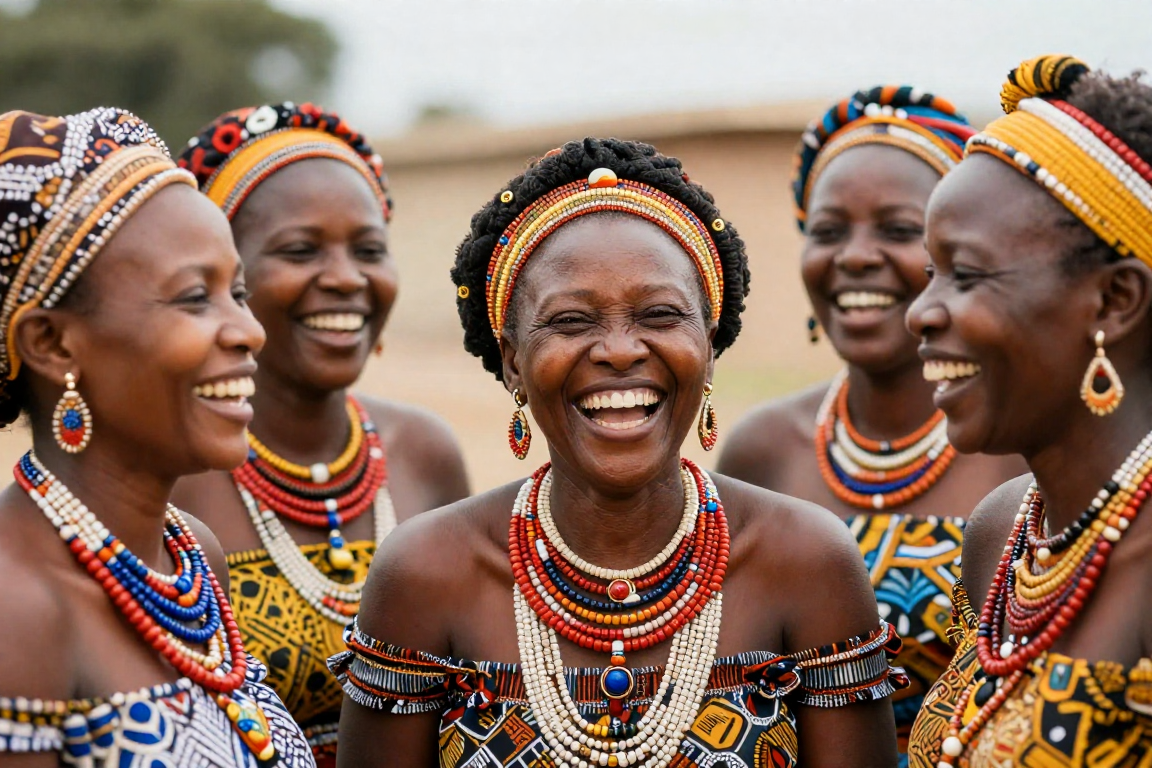
About 6 to 7 in every 10 people diagnosed with breast cancer have none of the known risk factors. Knowing your risk is useful, but it is not a verdict.
Breast cancer begins when the instructions inside a breast cell (its DNA) are damaged. Why that happens is usually not known, and most people never find out what caused theirs. What we do know are the things that raise or lower the odds.
Risk you cannot change
These are part of who you are. You cannot change them, but knowing them helps you decide when to start getting checked.
Being a woman. Breast cancer is far more common in women, though men can get it too.
Getting older. Most invasive breast cancers are found after age 55.
Family history. Risk is higher if a close relative had breast or ovarian cancer, especially before age 50.
Your own history. A past breast cancer or certain earlier breast changes raise the risk.
Inherited gene changes, such as BRCA1 and BRCA2 (see below).
Dense breast tissue, which also makes changes harder to feel and to see on a scan.
The South African picture
White women in South Africa have a slightly higher chance of developing breast cancer, but Black women are more likely to be diagnosed younger and at a more advanced stage. That is why getting to know your normal and getting checked early matters for everyone.
Lifetime risk of breast cancer for South African women is about 1 in 27 overall (National Cancer Registry, 2023). It varies by group: roughly 1 in 11 for white women, 1 in 19 for Asian and Coloured women, and 1 in 44 for Black women.
Risk you can lower
Small, everyday choices add up. None of these guarantee anything, but together they lower the odds and are good for your whole body.

Move your body. Even about 20 minutes of activity a day helps.
Eat more fruit and vegetables, and less saturated fat.
Keep a healthy weight, which matters more after menopause.
Limit alcohol. The more you drink, the higher the risk.
Avoid tobacco.
If you use combined hormone replacement therapy, talk to your doctor about the benefits and the risks.
Family history and genes

BRCA1 and BRCA2 are genes that normally help repair damaged DNA and keep cells healthy. A fault in one of them raises breast cancer risk. About 5 to 10 percent of breast cancers are inherited this way, and a child of someone with a BRCA change has a 50 percent chance of inheriting it.
These gene changes are more common in some communities, including Afrikaners in South Africa, which is why family history matters when deciding about testing.
Important
Having a BRCA change raises the risk, but it does not mean you will definitely get breast cancer.
Where to get genetic testing and counselling in South Africa is being confirmed with a medical reviewer and will be added here.
Why finding it early matters here
In this part of the world, most breast cancer is found late. Between 60 and 70 out of every 100 women are only diagnosed once it has grown or spread, and only about half of them are still alive five years later.
Found early, about 4 in 5 women survive.
The difference is not the disease. It is how early it was caught. That is what a free check at your clinic is for.
Screening and early detection
Screening looks for breast cancer before there are any symptoms. Finding it early also changes the treatment itself. A smaller cancer usually means smaller surgery, taking out the lump instead of the whole breast, an easier recovery, and less to carry afterwards. This is the South African schedule.

From age 20: monthly self-awareness
Get to know how your breasts normally look and feel, and check them once a month. This is about awareness, not a test. Report anything new to a nurse or doctor without delay. Many women are diagnosed before they are old enough for a mammogram, so knowing your normal matters at every age.
From age 40: a mammogram every year
South African guidance recommends a mammogram once a year from age 40. Mammograms are usually used from about age 35, because younger breast tissue is denser and harder to read.
From age 55: every two years
From 55 you can move to a mammogram every two years, or choose to carry on every year. Keep screening while you are in good health.
Family history: start earlier
If a close relative had breast cancer, start screening about 10 years before the age they were diagnosed. Ask your health professional what schedule fits you.
If you have never had a mammogram, you are far from alone. Around the world, about 8 in every 10 women who should be screened are not, usually because there is no service near them, or because nobody told them. Even where screening is available, about 4 in every 10 women still do not go.
Every woman in South Africa can get a free clinical breast examination by a nurse at her nearest public clinic. See how to get a free check.
Know your normal
The best way to notice a change early is to know what is normal for you. If you find something different, the next step is simple.
What does NOT cause breast cancer
Some common worries are simply not true.
It is not contagious. You cannot catch it from someone who has it.
It is not caused by underwire bras, deodorants, or antiperspirants.
It is not caused by caffeine, microwaves, plastic containers, or cell phones.
Questions about your risk? Talk to someone.
CANSA's toll-free help line is free and confidential.