Living with and beyond cancer
Looking after how you feel
Cancer affects your feelings as well as your body, and support matters from the very first day, not just at the end.
You do not have to do this alone
Talking to someone helps. CANSA runs a free help line, support groups, and tele-counselling, for you and for the people close to you.
Ask for support from the first day, not once you are struggling. How you feel is part of your treatment, not something to deal with later.
Follow-up after treatment
After treatment, regular follow-up checks help spot any return of the cancer early, keep an eye on side effects, and give you practical and emotional support. Follow-up usually means regular physical examinations and breast imaging, such as a mammogram or ultrasound.
When treatment ends
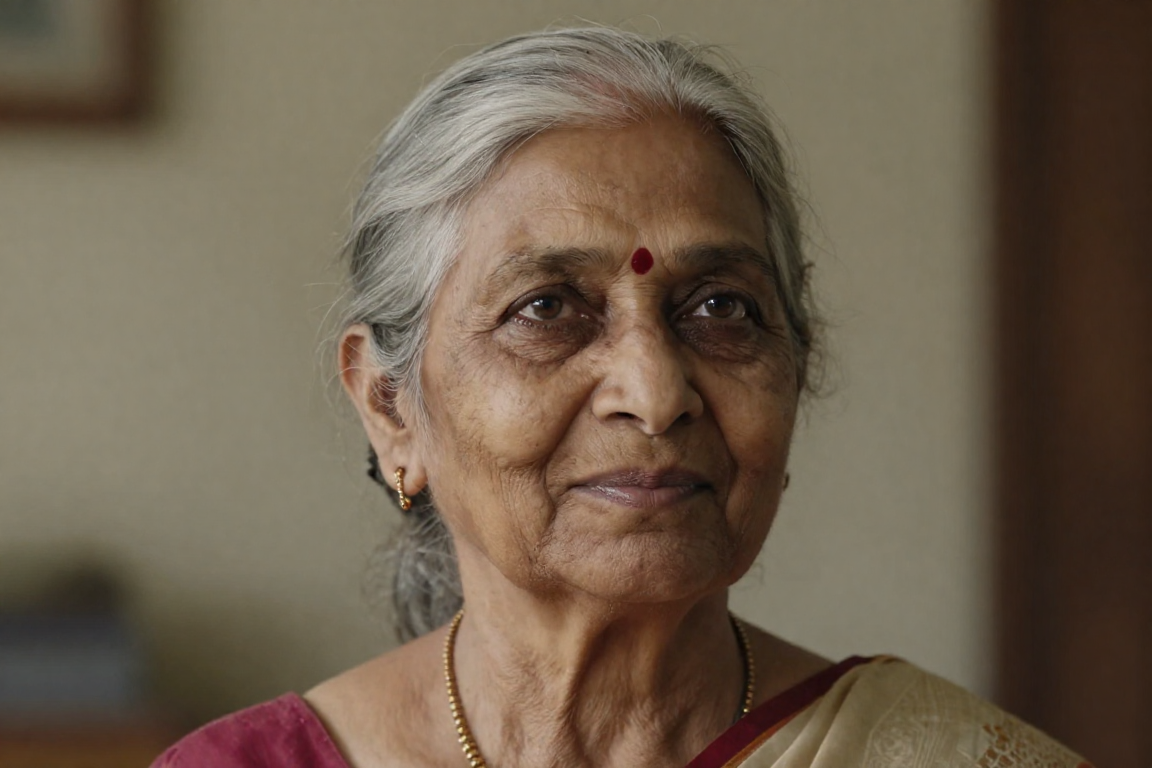
Finishing treatment does not always mean feeling like yourself again straight away. Some effects last a while, and it helps to know that is normal.
You may have tiredness that rest does not fix, trouble with memory and concentration, menopause that arrived early, thinner bones, changes to your heart, or changes in how you feel about sex and your body.
None of it means something has gone wrong. Most of it can be treated or eased, so bring it up at your check-ups rather than waiting it out.
As one woman who has lived with it put it, you never stop feeling like a breast cancer patient. Support should carry on for as long as you need it, not stop on the day treatment does.
If cancer comes back
Sometimes breast cancer returns. If it comes back in the same area, this is called a recurrence. If it appears somewhere not directly connected to the first cancer, this is called a metastasis. It can return in the breast or chest wall, the lymph nodes, the bones, the lungs, the liver, or the brain. Your team will explain what to watch for.
Eating well and staying active
Good nutrition and gentle activity support recovery and wellbeing.
Detailed, reviewed nutrition and exercise guidance is being added, including guides for managing common effects of treatment.

For family and supporters
If you are caring for someone, looking after yourself matters too.

Knowing what to say, and what to expect, helps you help them.
Practical help day to day often matters more than the right words.
Support groups and the CANSA help line are there for supporters too.
A diagnosis does not only happen to one person. Partners and children carry it too, sometimes for years afterwards. Looking after yourself is not selfish, it is part of looking after her.
Living with advanced breast cancer
Advanced, or metastatic, breast cancer is treated as something to live with. The focus moves to control, comfort, and quality of life.
Advanced does not mean out of time. People live for years with advanced breast cancer, and new tests and treatments keep arriving. The aim moves to holding it back, keeping you comfortable, and keeping your life your own.

Metastatic breast cancer (also called MBC, stage 4, or advanced breast cancer) is cancer that has spread beyond the breast and the lymph nodes under the arm. It most often spreads to the bones, lungs, liver, or brain. Wherever it spreads, it is still made of breast cancer cells. For some people it is found at diagnosis, but more often it appears months or years after earlier treatment.
Signs of spread
Symptoms depend on where the cancer is. Bone spread can cause pain. Spread to the brain can cause headaches, seizures, or unsteadiness. Shortness of breath can point to the lungs. Swelling in the abdomen or yellowing of the skin can point to the liver. Some people have no symptoms, and the spread is found on a scan.
Pain can be treated
You should never feel that pain is simply part of treatment or something to endure. Pain is usually easier to control when it is treated early. Palliative care specialists are trained to manage pain and symptoms so you can live as well as possible.
Support for advanced cancer
CANSA runs an online and WhatsApp support programme for people living with metastatic breast cancer, alongside the help line. You do not have to face it alone.
Talk to someone who understands.
CANSA's toll-free help line is free and confidential, for patients and for those supporting them.